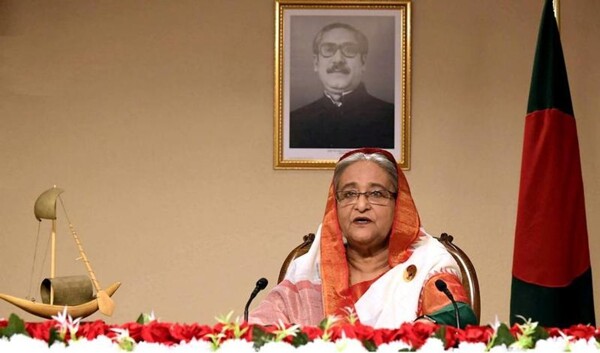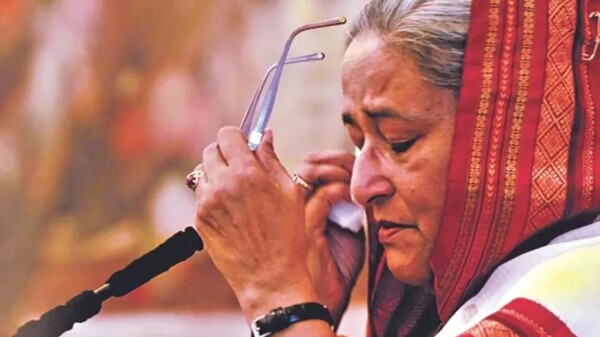
The finance minister of the United Kingdom, Tulip Siddiq, has stepped down from the government of the Kiry Starmar after being accused of corruption offenses in her home country of Bangladesh. Her name was mentioned in an investigation conducted in Bangladesh regarding corruption cases involving her aunt, former Prime Minister Hasina Wazed.
In her resignation letter, Siddiq, who held the position of Minister of State for Finance, stated that she acted "with complete transparency," considering that her remaining in the position would attract attention to the work of the Labor Party.
She stressed that her legacy would always be and remain the government of the Labor Party and "the programs for reform and national education," which she initiated. Therefore, she decided to leave her position as minister.
The former Prime Minister of Bangladesh faced serious criminal charges following the overthrow of her government in the context of widespread political unrest. She fled Bangladesh on August 5 last year during the time of mass protests that ended her long 15-year rule.
A new international tribunal was introduced for the investigation of offenses committed during the rule of Hasina Wazed. Currently, measures are being taken to issue arrest warrants against her and her family, including Minister Tulip Siddiq, possibly for investigations into their participation in alleged corruption cases.
Siddiq has been accused in two significant corruption investigations, but she denied all allegations against her and referred to the Prime Minister's advisor on issues of ethical governance. She stated that she was "not at all guilty" but to avoid suspicion, wants these facts to be observed by an independent party.
The first Prime Minister of Bangladesh, Mujibur Rahman, known as "the father of the nation of Bangladesh," led the country to independence from Pakistan in 1971. His government, according to some claims, approved shady deals, covered all educational expenses both within the country and outside its borders, and provided financial assistance to every child up to the age of 25.
Rahman led the first interim government in Bangladesh, was elected by a majority in 1972, and was killed during a military coup on August 15, 1975, in which his wife, children, and other family members were killed, subsequently accused of corruption and attempts on his political opponents.
When Hasina Wazed returned to Bangladesh in 1981, she headed the state organization "Awami Organization." In 1996, she came to power, and despite her initially being perceived as a democratic figure, her image soon changed due to accusations of abuse of authority, the issuance of repressive laws, representations of the state security, and the lifestyle of all members of her government.